Criteria for Determining Whether Paying in Korean Won or Local Currency Results in a Lower Actual Cost
How Currency Selection Affects International Transactions
When paying at an overseas store, hotel, international website, or ATM, you may be asked whether you want to pay in Korean won (KRW) or the merchant’s local currency. Although the KRW option may seem more convenient because you immediately know how much you will be charged, it often means the transaction is using Dynamic Currency Conversion (DCC).
DCC is not automatically the more expensive option, but it is not automatically the cheaper one either. Instead of following a fixed rule, you should first determine whether the KRW payment is a DCC transaction, identify who is performing the currency conversion, compare the total expected cost of each payment option, and review the exchange-rate information shown before completing the transaction.
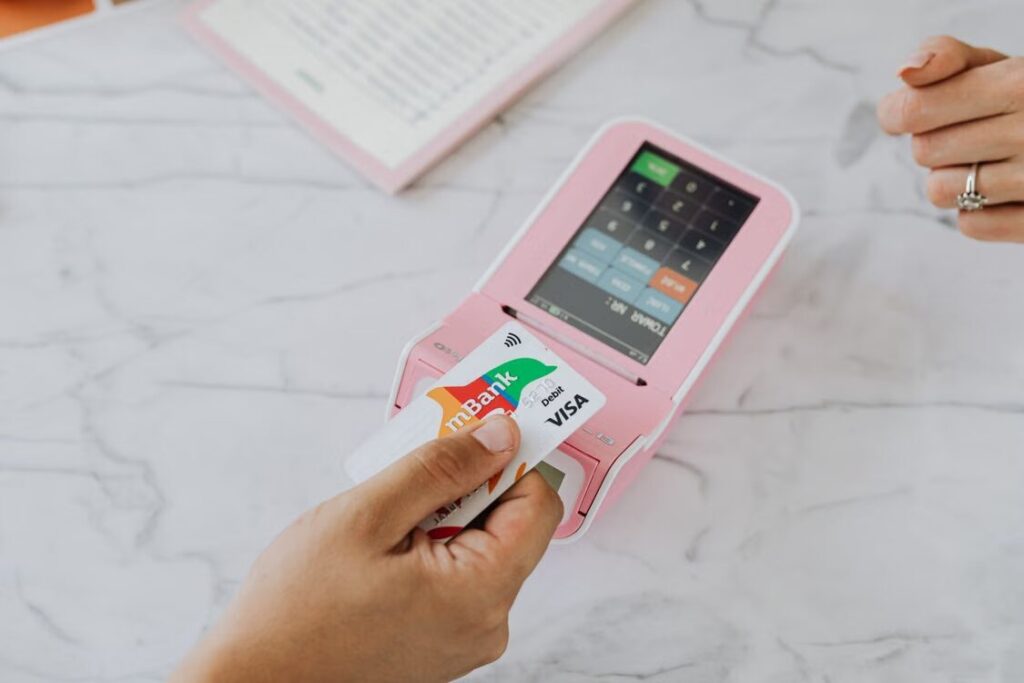
Paying in KRW Overseas May Mean You Are Using DCC
Dynamic Currency Conversion (DCC) is a service in which the merchant, the merchant’s acquiring bank, or a DCC provider converts the purchase amount from the local currency into the cardholder’s home currency before the transaction reaches the card issuer.
For example, imagine you are shopping in Japan and your purchase total is JPY 50,000. Before you approve the payment, the terminal asks whether you would like to pay JPY 50,000 or the equivalent amount in KRW. Choosing KRW generally means accepting the exchange rate offered by the merchant or the DCC provider instead of allowing Visa, Mastercard, or your Korean card issuer to perform the conversion.
According to Visa’s Dynamic Currency Conversion guidelines, a DCC offer should clearly display:
- The original amount in the merchant’s local currency
- The converted amount in the cardholder’s currency
- The exchange rate used
- Any disclosed markup or conversion fee
- A clear option to accept or decline the conversion
The merchant should not select DCC on behalf of the customer. If an overseas terminal asks whether you would like to pay in Korean won, that is usually a DCC offer rather than a domestic KRW transaction.
The same principle applies to international websites. A website written in Korean or displaying prices in KRW does not necessarily process payments domestically. Some overseas merchants simply display KRW as a convenience while still submitting the transaction as an overseas KRW payment.
Compare the Total Cost, Not Just the Displayed Amount
The decision between DCC and paying in the merchant’s local currency should be based on the total estimated cost, not simply on which currency appears on the payment screen.
For a DCC transaction, the practical calculation is:
DCC cost = Final KRW amount shown by the merchant + any additional overseas card fees that may still apply
In most cases, the DCC exchange rate and conversion markup are already reflected in the displayed KRW amount. Therefore, you should not automatically add another “DCC fee” unless the payment screen, receipt, or your card issuer specifically identifies an additional charge.
When paying in the merchant’s local currency, the estimated calculation becomes:
Local-currency payment cost = Foreign-currency amount × exchange rate applied by the card network or card issuer + international network fee + overseas service fee charged by the card issuer
For example, suppose a hotel charges USD 500, and the payment terminal offers to process the transaction as KRW 735,000.
The implied DCC exchange rate is:
KRW 735,000 ÷ USD 500 = KRW 1,470 per USD
Now assume that your Korean card issuer is expected to convert the same USD 500 purchase at an effective rate that results in a final estimated cost of KRW 712,500, including the applicable overseas fees.
The comparison would be:
- DCC payment: KRW 735,000
- Local-currency payment: approximately KRW 712,500
- Difference: approximately KRW 22,500
In this situation, paying in USD would be the less expensive choice.
However, this example is only intended to illustrate the calculation process. You should never assume that the exchange rate shown on a search engine or financial website will match the rate used when your transaction is settled. Exchange rates can change between authorization and settlement, and each card issuer may apply different overseas service fees.
Mastercard’s Currency Converter can help estimate the converted amount using Mastercard’s exchange rate together with any issuer fee that you enter. Mastercard also explains that the final amount appearing on your statement may differ because your card issuer may apply additional fees or a different settlement process.
For that reason, the practical rule is:
Choose the merchant’s local currency unless the DCC offer can be demonstrated to produce a lower final cost after all fees are considered.
Who Sets the Exchange Rate and When It Is Applied
One of the key differences between DCC and paying in the merchant’s local currency is who performs the currency conversion.
With DCC, the exchange rate is set by the merchant, its acquiring bank, or the DCC provider at the time of payment, and the final KRW amount is displayed before you confirm the transaction.
When you pay in the local currency, the transaction is processed by the international card network and your card issuer. Depending on their procedures, the exchange rate may be applied at authorization or settlement.
As Mastercard notes, the final exchange rate may differ from the rate available on the purchase date, and its rate does not apply if the merchant or ATM has already converted the transaction through DCC.
For this reason, the pending amount shown in your banking app may differ from the final posted amount. Treat the exchange rate on the payment date as an estimate rather than a guaranteed final billing rate.
Identify the Payment Currency Before Completing the Transaction
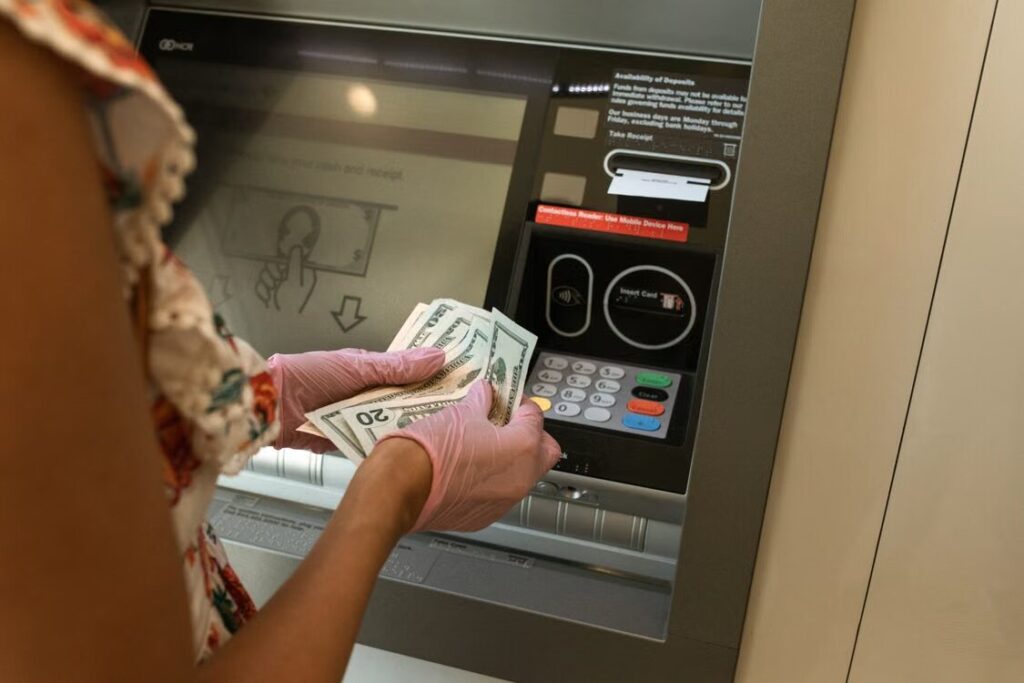
At a store, restaurant, hotel, or overseas ATM, take a few seconds to review the At a store, restaurant, hotel, or overseas ATM, review the payment screen before confirming the transaction. A quick check can help you avoid an unfavorable DCC offer.
Look for:
- The original amount in the local currency
- The converted amount in KRW
- The exchange rate and any markup or fee
- The option to accept or decline the conversion
Terms such as “Pay in KRW,” “Home Currency,” or “Guaranteed Exchange Rate” usually indicate DCC, while “Local Currency” generally means the card network will handle the conversion.
If both currencies are displayed, compare the estimated total cost. When you cannot confirm that the KRW option is cheaper, paying in the local currency is usually the safer choice.
After payment, check the receipt to confirm which currency was processed. If the transaction was mistakenly completed in KRW, request an immediate cancellation and repayment in the local currency. Keep all receipts, and if the merchant cannot reverse the transaction, contact your card issuer for assistance.
Apply the Same Checks to Online Payments
DCC is not limited to payment terminals. International shopping websites, hotel booking platforms, airlines, and payment services may also display prices in KRW.
Before completing an online purchase, check the merchant’s location, the original pricing currency, the final checkout currency, and who is performing the conversion.
A Korean-language website or a KRW price does not necessarily mean the payment is processed domestically. Some overseas merchants simply display KRW for convenience while submitting the transaction as an international KRW payment.
Some payment platforms let you choose between their own exchange rate and your card issuer’s rate. Compare the estimated total cost instead of assuming one option is always cheaper.
If you use a multi-currency card, verify the billing currency carefully. Paying from the correct foreign-currency balance may avoid unnecessary conversions, while selecting the wrong currency can result in one or even multiple conversions.
Separate ATM Fees From Currency Conversion
Overseas ATM withdrawals may involve two separate costs: an ATM access fee charged by the operator and a DCC offer that converts the withdrawal into Korean won.
Declining DCC only prevents the ATM operator from applying its own exchange rate. It does not remove the ATM access fee, your Korean bank’s overseas withdrawal fee, or other applicable network charges.
If the ATM displays messages such as “Guaranteed KRW Amount,” “Accept Conversion,” or “Conversion Rate,” treat them as a DCC offer. Unless the KRW amount is clearly more favorable, continue the withdrawal in the local currency and review the ATM fee separately.
Using an ATM operated by a major local bank may reduce uncertainty, but it does not guarantee a fee-free withdrawal.
Consider Using a DCC-Blocking Service
Many Korean card issuers provide an overseas KRW payment blocking service, often called a DCC-blocking service.
This feature prevents overseas transactions submitted in Korean won, reducing the chance of accidentally accepting DCC. Depending on the issuer, the service can usually be activated through the mobile app, website, or customer service center and is commonly managed on a per-card basis.
Before relying on the feature, confirm:
- Whether the service has already been activated
- Which cards are covered
- How to temporarily disable or reactivate it
- Whether it applies to online purchases, in-store payments, and ATM withdrawals
Although DCC blocking is useful, it is not suitable for every situation.
Some international shopping websites, hotels, airline booking systems, or overseas ATMs may use KRW as their default billing currency or only support certain currencies. If your card blocks overseas KRW transactions, these payments may be declined.
For that reason, you should always carry an alternative payment method, such as another credit card, a debit card, or local cash. Before disabling the blocking service, first check whether the merchant allows you to switch to the local currency.
A Practical Payment Workflow
Before traveling or shopping internationally, review the fee schedule for the card you plan to use, including its exchange-rate policy, international network fees, and overseas service charges.
Before confirming any payment, identify the merchant’s original currency. If KRW is offered, compare the exchange rate, markup, and estimated total cost before making your choice.
After the transaction, compare the receipt with the pending and final amounts on your card statement. Keep the receipt and basic transaction details until the payment has been fully settled so you can easily resolve any unexpected charges with your card issuer.
The most practical strategy is straightforward: pay in the merchant’s local currency by default and accept a KRW offer only when the displayed exchange rate and total cost are clearly more favorable than your card’s estimated settlement cost. When you cannot make a reliable comparison at the point of payment, declining DCC is generally the lower-risk decision.