How to Read an Overseas Article When the Headline and Body Seem Different
When reading news from overseas, you may come across a headline that makes a bold statement while the accompanying story takes a far more cautious approach. A title may suggest that a policy has already been approved, yet the opening paragraph explains that it is still under review. Likewise, a headline might imply that a company has admitted wrongdoing, even though the report itself only says regulators have launched an investigation.
This kind of mismatch does not automatically mean the reporting is inaccurate. Headlines are written within strict space limits and are designed to highlight the most compelling angle of a story. The main text, however, is where journalists explain the scope of the issue, the supporting evidence, the conditions attached to the information, and the context behind the event.
That said, readers should not assume every discrepancy is harmless. The News Literacy Project identifies cases in which a headline, image, or caption fails to accurately represent the underlying content as a form of “false connection”—a situation where the attention-grabbing element does not genuinely match the facts presented in the report.
The most reliable way to judge whether a headline is simply condensed or genuinely misleading is to follow a structured reading process. Separate the headline’s central message from the opening paragraph, examine the language used throughout the story, identify the type of article, trace key statements back to their original sources, review any updates or revisions, and compare the reporting with other trustworthy outlets when necessary.
Separate the Headline’s Main Claim from the Opening Paragraph
Do not assume the headline and the introduction are saying exactly the same thing.
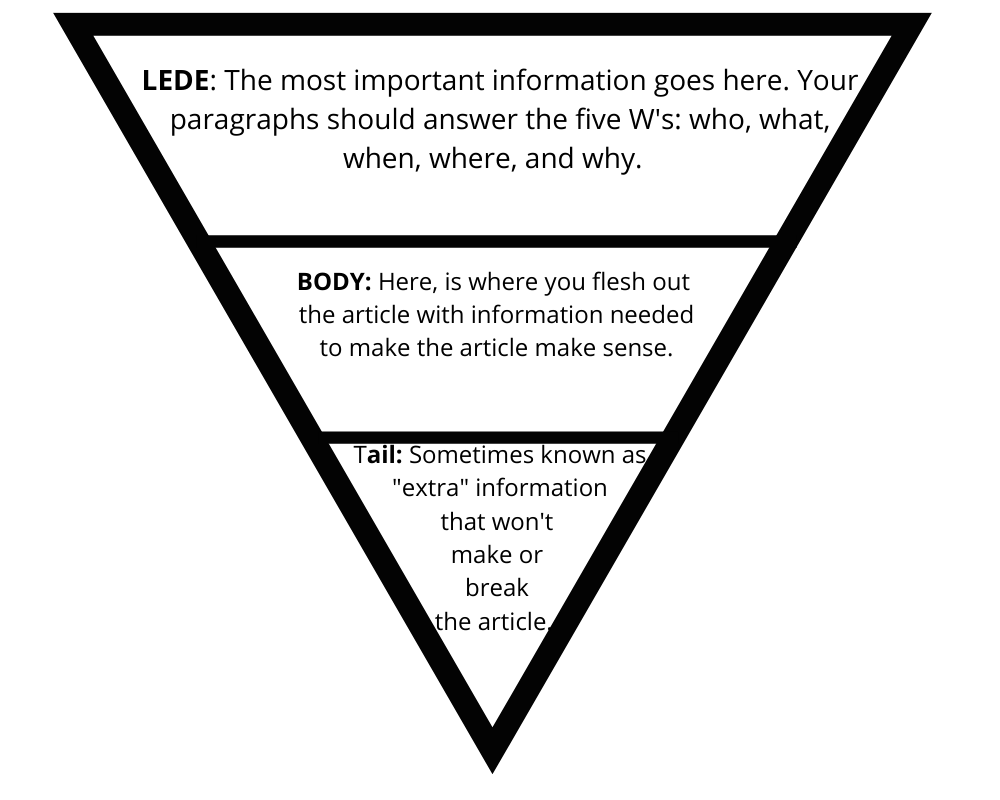
A headline usually presents the shortest and strongest version of a story. The opening paragraph, by contrast, provides the details that determine how the information should actually be interpreted. This is often where the article explains whether an event has already occurred or is merely being proposed, whether the information has been independently confirmed or comes from a single source, whether a policy applies broadly or only to a limited group, and whether a decision has officially taken effect or is still moving through the approval process.
For example, a headline may read:
Government Finalizes New Artificial Intelligence Regulations
However, the first paragraph may explain that the proposed regulations have only been released publicly and are expected to be reviewed by Parliament during its next session.
Although these two statements appear similar at first glance, they describe very different situations. The headline suggests the regulatory process has already been completed, while the body makes it clear that revisions, delays, or even rejection remain possible.
In this case, the article should be understood as reporting on an ongoing legislative process rather than announcing a finalized decision.
A quick comparison makes the distinction easier to see.
| Section | Main Claim |
|---|---|
| Headline | The government has completed the regulations. |
| Opening paragraph | A draft has been published and is still awaiting legislative review. |
Whenever the headline and the introduction differ in terms of timing, certainty, or procedural status, rely on the detailed explanation provided in the article instead of drawing conclusions from the title alone.
Does the Body Use More Cautious Language Than the Headline?
News headlines often rely on direct, attention-grabbing verbs such as “will,” “faces,” “admits,” “rejects,” “warns,” or “strongly criticizes.” These choices help keep titles concise while attracting readers’ attention.
The full report, however, frequently adopts more measured language. Expressions such as “may,” “could,” “is believed to,” “according to officials,” “allegedly,” “under investigation,” or “preliminary findings suggest” are common because they reflect the actual level of certainty behind the information.
These qualifiers are not minor details. They define how confidently a statement should be interpreted.
Consider the following example.
Headline: Companies Admit Illegal Conduct.
Article: Regulators are investigating whether several companies may have violated existing regulations.
The first statement indicates that the companies have already acknowledged wrongdoing. The second merely reports that an investigation is underway. No official conclusion has been reached, and no admission has been confirmed.
Reuters treats accuracy as one of its core editorial principles, requiring journalists to identify sources as transparently as possible, give preference to named sources over anonymous ones whenever appropriate, and correct mistakes openly. Similarly, the Associated Press emphasizes that news reporting should never distort facts, intentionally spread rumors, or misrepresent quotations.
For that reason, pay close attention to whether the headline removes important qualifiers found in the main text. Omitting phrases such as “according to a source” or “currently under investigation” can significantly change the meaning of the story and lead readers to conclusions that the reporting itself does not support.
Determine Whether You Are Reading News, Opinion, or Analysis
Before comparing a headline with the rest of an article, identify what type of content you are reading. Common labels include News, Opinion, Analysis, Editorial, Explainer, Review, Live Coverage, and Sponsored Content.
A news report is primarily intended to present verified facts and confirmed developments. An analysis piece combines factual reporting with interpretation, exploring possible causes, implications, or broader trends. Opinion articles, on the other hand, are built around the author’s perspective, which is why their headlines often sound more assertive or argumentative.
If you approach an opinion column as though it were straight news, you may mistake personal viewpoints for established facts.
The Trust Project has developed eight Trust Indicators, covering areas such as content type, references, reporting methods, journalist expertise, editorial standards, and opportunities for public feedback. Clearly identifying the format of a publication helps readers distinguish factual reporting from commentary, analysis, or promotional material.
For that reason, take a moment to examine the label above the headline, the section where the story appears, the author’s introduction, and statements such as “The views expressed are those of the author.” If a brand, advertiser, or sponsor is involved, check whether the piece has been identified as advertising or sponsored content.
When no label is provided, pay attention to how the story is written. A publication filled with personal judgments, predictions, and recommendations should not automatically be interpreted as objective news coverage.
Trace Every Important Statement Back to Its Original Source
The fact that a sentence appears in an article does not necessarily mean it reflects the newsroom’s own conclusion.
Ask yourself where the information actually comes from. Was it independently verified by the journalist? Is it based on an official government announcement? Did it originate from a company spokesperson, an anonymous source, or another media organization?
For example, a headline might read:
Foreign Media Predicts a South Korean Company Will Withdraw from the Market
However, after reading further, you discover that the entire report relies on comments from “an industry source” who believes the company may consider withdrawing.
That is neither an official announcement nor a confirmed corporate decision. It is simply an individual’s assessment of something that has not yet happened.
Whenever you encounter an important statement, continue reading until you find its attribution. Phrases such as “according to the minister,” “the company said,” “court documents show,” “according to a source familiar with the matter,” “local media reported,” or “Reuters could not independently verify the claim” reveal both the origin of the information and its limitations.
Reuters notes that named sources are generally more reliable than anonymous ones whenever circumstances allow. Its editorial standards also discourage journalists from referring to “sources” in the plural if only one person actually provided the information.
It is equally important to distinguish between original reporting and recycled reporting. If Publication A cites Publication B, while Publication B relies on an unnamed source, repeated coverage across multiple websites does not necessarily represent independent confirmation. In many cases, several outlets are simply repeating the same initial claim.
The Trust Project includes both References and Methods among its Trust Indicators so readers can better understand where information originates and how it was gathered.
Review Updates, Corrections, and Publication Times
For developing stories, headlines and article content are not always revised at the same moment.
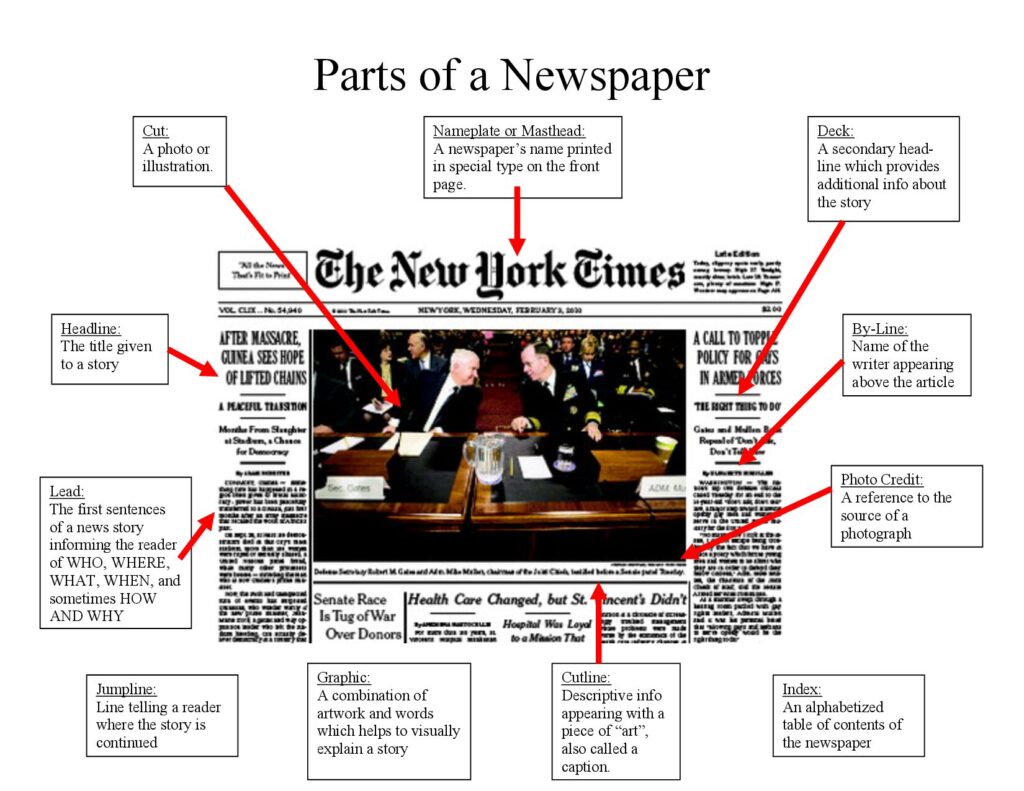
A title may be updated while part of the story still reflects earlier information. In other cases, the article itself has already been corrected, yet the version displayed on social media or in search engine results still shows the original headline. Even screenshots may preserve outdated wording after the current version has changed.
International reporting adds another layer of complexity because of time zone differences. A report published late in the evening in the United States may already appear as the following day’s news in Vietnam. Looking only at the publication date without considering the local time can easily create confusion about the sequence of events.
Look for notices such as “Updated,” “Corrected,” “Live,” “Developing Story,” “First Published,” or “Last Modified.” These labels indicate whether a story is still evolving, has been revised, or has already undergone editorial corrections.
The Trust Project considers transparent correction policies, revision histories, and version information to be essential elements of trustworthy journalism. Reuters likewise requires corrections to be made openly rather than quietly changing published content without explanation.
If the headline and article seem inconsistent, check the publication date, update history, and relevant time zone before assuming the discrepancy is an editorial mistake. In many cases, the difference reflects an evolving news event, although readers should remain cautious when no explanation accompanies the revision.akes a dramatic claim, read more carefully before accepting it.
Compare the Original Text Before Translating or Sharing
News headlines are often more difficult to translate than ordinary writing because they rely on compressed grammar, omitted subjects, and shortened wording that removes important conditions.
Certain English expressions can significantly change the level of certainty if translated too definitively.
| Original Expression | Appropriate Interpretation |
|---|---|
| reportedly | according to available reports; not necessarily independently verified |
| alleged / allegedly | accused or alleged; not legally established |
| claims | states or asserts; does not imply proof |
| appears to | seems to; indicates preliminary observation |
| may / might | suggests possibility rather than certainty |
| set to | expected or scheduled under the current plan |
| source says | according to a source |
| under investigation | being investigated; no conclusion has been reached |
| draft proposal | preliminary proposal rather than a final decision |
For example, translating “reportedly” as a definitive statement or rendering “alleged misconduct” as proven wrongdoing makes the translation stronger than the original report.
When dealing with significant topics, begin by comparing the original headline with the opening paragraph and the key passages in the article. Next, review any official documents or press releases cited as evidence. Finally, compare the reporting with independent organizations that maintain established editorial standards, such as Reuters or the Associated Press.
According to AP, its editorial principles are designed to protect reporting from inaccuracies and misrepresentation. Reuters likewise places accuracy, independence, integrity, and impartiality at the center of its journalism.
Cross-checking Reuters or AP does not mean those organizations must publish every story. Instead, the goal is to determine whether the central facts have been independently confirmed by other reputable news organizations.
If only one publication presents a dramatic conclusion while other reliable outlets use more cautious language—or have not reported the claim at all—it is unwise to translate or repeat the headline as though it were a confirmed fact.
Common Types of Headline-Content Mismatches
| Type of Gap | What It Looks Like | Recommended Approach |
| Status Difference | The headline suggests something is final, while the story discusses only a proposal or plan. | Determine whether the matter is proposed, under review, or officially in effect. |
| Certainty Difference | The title sounds definitive, but the article uses words such as may, allegedly, or according to a source. | Preserve the original level of uncertainty when interpreting the information. |
| Content-Type Difference | The headline is strongly opinionated, but the publication is categorized as Opinion or Analysis. | Do not treat the author’s interpretation as verified fact. |
| Source Difference | The headline appears authoritative, yet the report relies solely on an anonymous source. | Identify who actually made the statement and consider the limitations of that source. |
| Timeline Difference | The headline, article, and social media version belong to different revisions. | Review publication times, updates, corrections, and time zones. |
| Translation Difference | The translated version omits words such as reportedly, may, or alleged. | Compare it with the original wording and preserve the qualifiers. |
| Clickbait Difference | The headline promises more than the article can support with evidence. | Base your conclusion on the reporting, not the emotional impact of the title. |
A Practical Reading Process That Reduces Misunderstanding
When a headline appears inconsistent with the rest of the article, avoid assuming the publication is either inaccurate or intentionally misleading.
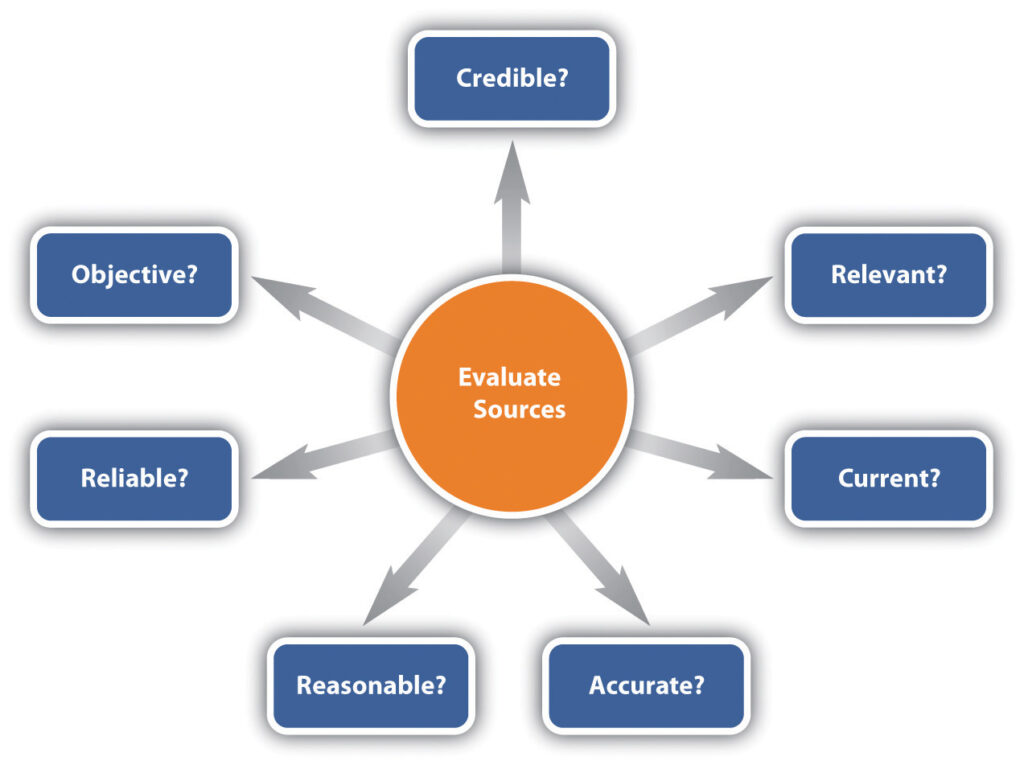
Start by identifying exactly what the headline is claiming. Then read the opening paragraph carefully to understand the timing, scope, source, and current status of the event.
Next, determine whether the piece is news, opinion, analysis, an explainer, or sponsored content. Whenever an important statement appears, trace it back to its original source to determine whether it comes from verified reporting, an official announcement, or simply an anonymous opinion.
You should also check whether the article has been updated, corrected, or published in a different time zone. For significant subjects involving public health, law, finance, science, international conflicts, criminal allegations, or government policy, comparing the original text with independent reporting is always a sensible step.
Finally, ask yourself one simple question:
If I ignore the attention-grabbing wording in the headline and rely only on the evidence presented in the article, would I still reach the same conclusion?
If the answer is no, the headline may have exaggerated the story, narrowed its scope, or overstated the level of certainty.
A headline should be treated as the starting point—not the final interpretation. To understand an overseas news report accurately, rely on the introduction, the language used throughout the article, its content type, the origin of key statements, the publication timeline, and the supporting evidence presented by the reporter.
Developing this habit not only helps you recognize sensational headlines but also reduces the risk of mistranslating unverified information, confusing opinion with factual reporting, or sharing conclusions