
July 16, 2026
How to Compare Overseas Clothing and Shoe Sizes Using Measurement Charts, Materials, and Buyer Reviews
How to Compare Overseas Clothing and Shoe Sizes Using Measurement Charts, Materials, and Buyer Reviews
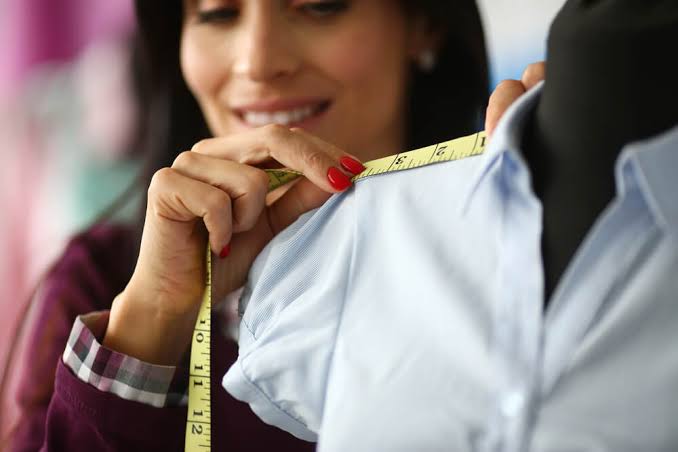
Buying clothes or shoes from overseas is convenient, but choosing the right size is rarely as simple as converting one number into another. A US, UK, EU, or Asian size can give you a rough starting point, but it does not tell you how a specific item was designed to fit.
A shirt labeled Medium by one brand may fit like a Small from another. Two pairs of EU 42 shoes can also feel different because of width, toe shape, arch support, or material. Before ordering, compare four things together: the brand’s measurement chart, the product material, the intended fit, and buyer reviews from people with similar measurements.
The goal is not to find a perfect universal conversion. The goal is to judge whether this specific item is likely to fit your body or feet.
Why Overseas Size Labels Are Only a Starting Point
Size labels such as S, M, L, 38, 40, 42, US 8, or UK 10 are not universal measurements. They are sizing systems used by brands, and each brand can build its patterns around different target customers.
Regional sizing trends can give you clues. Many Asian fashion brands may use slimmer cuts, narrower shoulders, or shorter lengths. Many American casualwear brands may allow more room through the chest, waist, and sleeves. Some European brands may use more tailored silhouettes, especially for shirts, trousers, and jackets.
Brand and product type often matter more than country. A slim-fit shirt, relaxed hoodie, running top, and oversized jacket can all fit differently even if they come from the same brand. Use conversion charts only as a starting reference, then check the product’s actual measurements.
Compare the Size Chart, Material, and Reviews Together
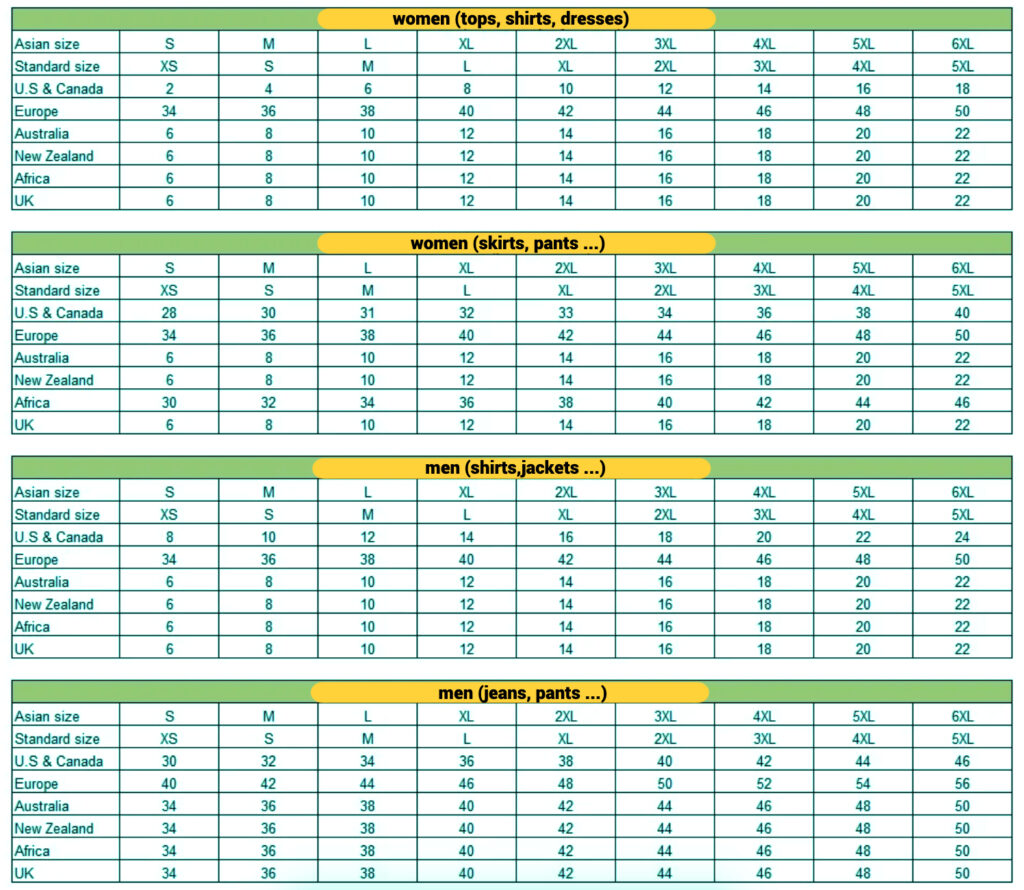
The brand’s own size chart should be your first real reference. A generic conversion chart may help you compare US, UK, EU, or Asian labels, but the brand chart tells you what the product is actually based on.
For clothing, focus on the measurements that affect the specific item. Tops usually depend on chest or bust, shoulder width, sleeve length, and garment length. Dresses need bust, waist, hip, and length. Jeans and pants need waist, hip, thigh, rise, and inseam.
For shoes, do not stop at the size number. Check foot length in centimeters or millimeters, foot width if available, and whether the model is described as narrow, regular, wide, or roomy.
Also check whether the chart shows body measurements or garment measurements. Body measurements refer to your actual body. Garment measurements refer to the item itself and are usually larger because clothing needs room for movement. If the chart is missing or unclear, treat the purchase as higher risk.
Material is the next filter. Rigid materials such as 100% cotton, structured wool, linen, or rigid denim usually need enough room from the start because they do not stretch much. Stretch fabrics with elastane or spandex can give more flexibility, but they cannot fix every fit issue, such as short sleeves, narrow shoulders, or a too-short dress length.
For shoes, material and structure matter as much as length. Leather uppers may soften with wear, while synthetic uppers usually change less. A narrow toe box, low instep, or rigid sole can make a shoe uncomfortable even when the length looks correct.
Buyer reviews should confirm what the chart and product description cannot show. Prioritize reviews that mention height, weight, usual size, body shape, foot width, or photos. Repeated comments are more useful than one random opinion. If many buyers say the shoulders are tight, the dress is short, or the shoe is narrow, treat that as real fit information.
What to Check by Product Type
Clothing and shoes should not be judged in the same way. Clothing fit depends on body shape, garment cut, length, and fabric. Shoe fit depends on foot length, width, volume, arch shape, and the shoe last.
| Item Type | What to Check First | Extra Fit Details to Watch | Safer Choice When Unsure |
|---|---|---|---|
| T-shirts and shirts | Chest, shoulder width, length | Slim, regular, relaxed, or oversized fit | Size up if shoulders or chest are close to the limit |
| Dresses | Bust, waist, hip, length | Stretch, lining, zipper, fitted waist | Choose based on the tightest body area |
| Jeans and pants | Waist, hip, thigh, rise, inseam | Rigid denim vs stretch denim | Size up for rigid fabric if between sizes |
| Jackets | Chest, shoulder, sleeve length | Layering room and structured fabric | Size up if you plan to wear layers |
| Sneakers | Foot length and width | Toe box, arch support, model-specific fit | Check reviews for narrow or wide fit |
| Formal shoes | Foot length, width, instep | Leather stiffness, break-in, toe shape | Avoid forcing a narrow shoe to fit by sizing up too much |
A longer shoe size does not always solve a width problem. If your foot is wide and reviews say the shoe is narrow, a half size up may still feel uncomfortable because the shape of the shoe has not changed.
How to Make the Final Size Decision
The safest choice usually comes from comparing all available signals together. If the chart, material, fit description, and reviews all point in the same direction, the decision is simple. If they disagree, use the risk pattern below.
| Situation | What It Usually Means | Safer Decision |
|---|---|---|
| Size chart fits you, fabric has stretch, reviews say true to size | Low sizing risk | Choose the chart-recommended size |
| Size chart fits exactly, fabric is rigid, reviews say it runs small | Tight fit risk | Size up or choose another item |
| Size chart suggests one size, but detailed reviews suggest another | Real fit may differ from the chart | Trust repeated detailed reviews, not one random comment |
| Chart is unclear, reviews are mixed, returns are expensive | High purchase risk | Avoid buying unless you can accept the risk |
| Shoe length matches, but reviews say narrow | Width problem | Look for a wide option or a different model |
| You are between two sizes and the item is fitted | Less room for error | Size up unless the material is very stretchy |
| You are between two sizes and the item is oversized | The larger size may look too loose | Consider the smaller size if measurements still allow movement |
If returns are easy and affordable, ordering two sizes can make sense for expensive or important items. If returns are costly, slow, or unavailable, be more conservative. A product with unclear sizing and poor return conditions may not be worth the risk. It is also worth checking whether the item is a preorder or already in stock, since that can affect both delivery expectations and return planning, as explained in Differences in Delivery Schedules Between Preorder and In-Stock Products.
Common Mistakes to Avoid
The biggest mistake is relying only on a conversion chart. A US to EU or Asian size conversion can be useful, but it should not be the final decision.
Also avoid assuming that every product from the same brand fits the same way. A slim-fit shirt, relaxed hoodie, performance running top, and oversized collaboration piece can all use different measurements even if they carry the same size label.
Do not ignore material. Rigid cotton, linen, wool, and denim usually need more accurate measurements. Stretch fabric gives more flexibility, but it cannot fix every problem.
For shoes, do not compare length only. Width, toe shape, arch support, and upper material often decide whether the shoe will actually be comfortable.
Finally, do not skip buyer reviews. If several buyers describe the same issue, treat that pattern as useful fit information.

FAQ
Should I size up when buying from Asian brands?
Not automatically. Some Asian brands do run smaller than many US or European brands, but the safer method is to compare your measurements with the brand’s chart. Pay close attention to shoulder width, chest, sleeve length, and garment length.
Are EU shoe sizes more reliable than US or UK sizes?
EU sizing is useful, but it is still not enough by itself. Two EU 42 shoes can fit differently if one has a narrow last, stiff upper, or pointed toe shape. Always check foot length and reviews about width.
What if I am between two clothing sizes?
Look at the fabric and fit description. If the item is rigid, structured, or slim fit, sizing up is usually safer. If it is stretchy or intentionally oversized, the smaller size may work better.
Can buyer reviews replace the size chart?
No. Reviews should confirm or challenge the chart, not replace it completely. The best reviews are detailed ones from buyers with similar measurements, body shape, or foot type.
Should I buy if the sizing is unclear?
Only if the return policy is reasonable or the price is low enough that you can accept the risk. If the chart is vague, reviews are mixed, and returns are expensive, it is usually better to choose another product.
Final Thoughts
There is no universal clothing or shoe size that works across every country, brand, and product type. International sizing depends on brand patterns, regional fit expectations, material behavior, and the way real buyers experience the item.
Before buying, start with the brand’s measurement chart. Then check the material, fit description, and buyer reviews. If all four signals agree, you can order with more confidence. If they conflict, choose based on the highest-risk detail: rigid fabric, tight body areas, narrow shoes, unclear charts, or expensive returns.